


Because nature has always been a Black story too
Black Naturalists
Banneker · Maathai · Tubman · Betsch · Turner · Carver


Why These Six Black Naturalists?
In most naturalist or conservation programs, the spotlight lands almost exclusively on white men, while the contributions of Black scientists, stewards, healers, and knowledge-keepers are pushed to the margins or only mentioned during Black History Month. But Black people have always shaped our understanding of land, wildlife, agriculture, astronomy, ecology, and community care.
These six represent different branches of the natural world—forests, stars, insects, soil, coastlines, plants, liberation routes—and together they show just how expansive Black ecological knowledge truly is.
Benjamin Banneker tracked the rhythms of cicadas and the cosmos.
Wangari Maathai connected tree planting to freedom and justice.
Harriet Tubman used the night sky, herbal medicine, and animal signals to guide people to safety.
MaVynee Betsch fought to save a coastline and its creatures.
Charles Henry Turner revealed the intelligence of insects.
George Washington Carver healed the soil and reimagined agriculture.
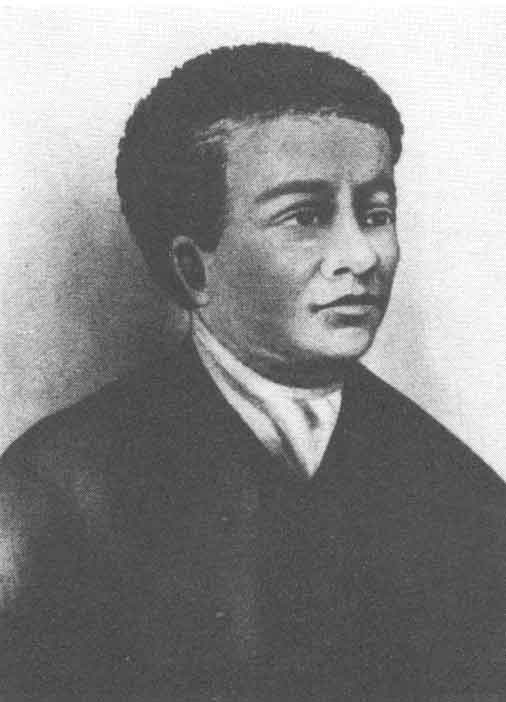
Benjamin Banneker
The man who decoded time—from the stars and from the soil.
Benjamin Banneker was an astronomer, mathematician, and naturalist whose notebooks reveal a deep attention to the rhythms of the natural world. He famously documented the 17‑year emergence cycle of periodical cicadas—one of the earliest scientific descriptions of their pattern. His work blended astronomy, phenology, and observation, proving that careful attention to nature can unlock scientific truth.
Quick Facts:
- Identified and recorded the 17‑year cicada cycle.
- Used stars and celestial mapping for almanac calculations.
- One of the earliest known Black naturalists in U.S. history.
“Their periodical return is every seventeenth year… and they may be expected again in the year 1800.”
-- From Banneker’s notes on the 17-year cicada cycle
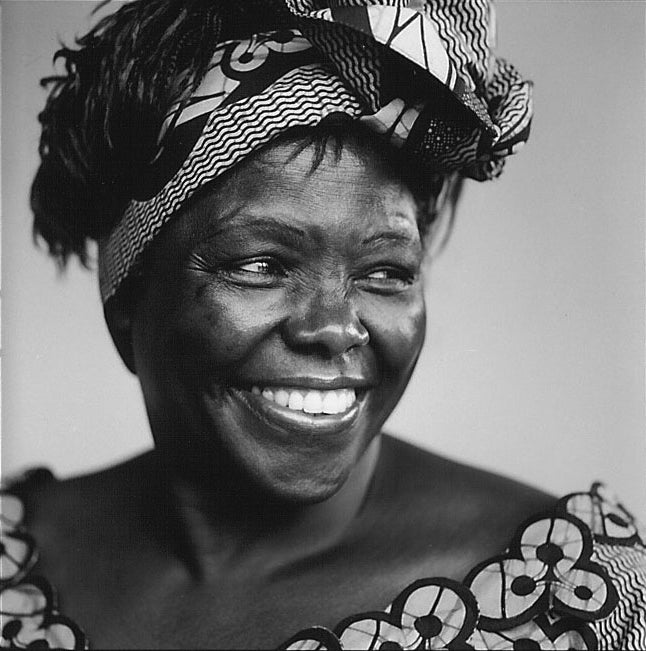
Wangari Maathai
The woman who planted trees—and grew a movement.
Dr. Wangari Maathai founded the Green Belt Movement, leading Kenyan women to plant millions of trees to restore land, protect water, and support livelihoods.
Her work linked environmental care with women’s rights and community empowerment long before "climate justice" became a global idea. She became the first African woman to receive the Nobel Peace Prize.
Quick Facts:
- Founded the Green Belt Movement.
- Over 50 million trees planted through her leadership.
- Early global voice for climate and social justice.
"We are called to assist the Earth to heal her wounds."
-- Wangari Maathai
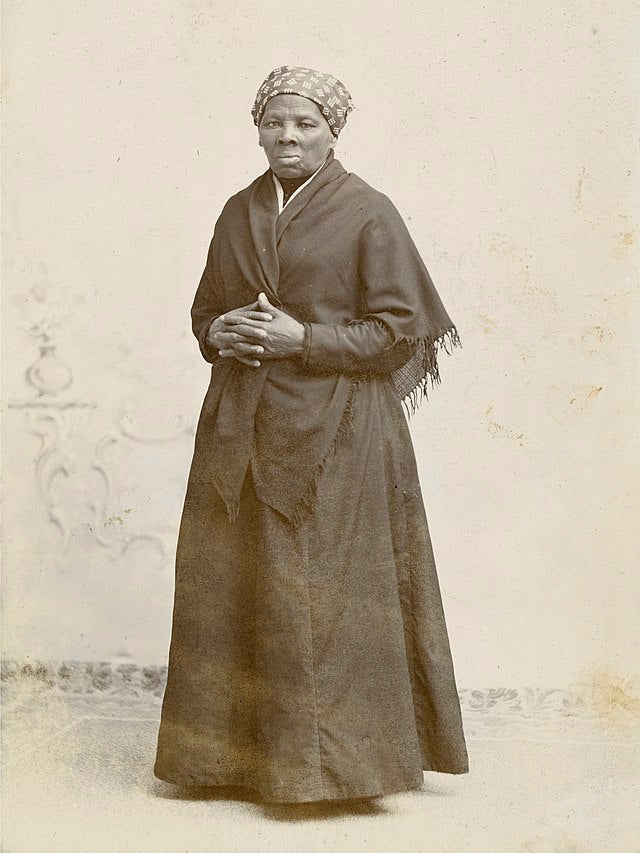
Harriet Tubman
Freedom fighter, herbalist, and master of the nighttime forest.
Harriet Tubman relied on her deep knowledge of nature to guide enslaved people to freedom—using the stars, following rivers, and navigating by the North Star. She carried herbal medicines to care for those traveling with her. Tubman also mimicked barred owl calls to communicate safely while avoiding capture.
Quick Facts:
- Used astronomy (North Star) for navigation.
- Skilled herbalist using traditional plant medicine.
- Understood and used barred owl calls for covert communication.
She traveled by night, following the stars, rivers, and forest signs.
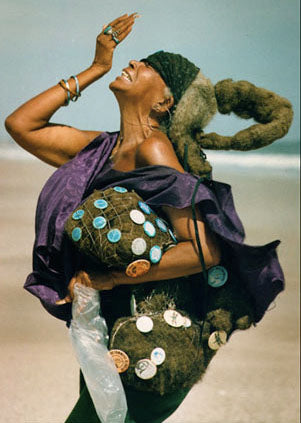
MaVynee Betsch
The beach guardian who saved a coastline with the power of her voice.
MaVynee Betsch, known as “The Beach Lady,” dedicated her life to protecting American Beach, a historic Black beach community in Florida. She fought for dune restoration, sea turtle protection, and the preservation of coastal wildlife. Betsch gave away her own fortune to support conservation and cultural memory.
Quick Facts:
- Activist for American Beach and Black coastal history.
- Protected dunes and sea turtle nesting habitat.
- Donated her personal wealth toward conservation efforts.
“I am a part of nature, and nature is a part of me.”
--MaVynee Betsch
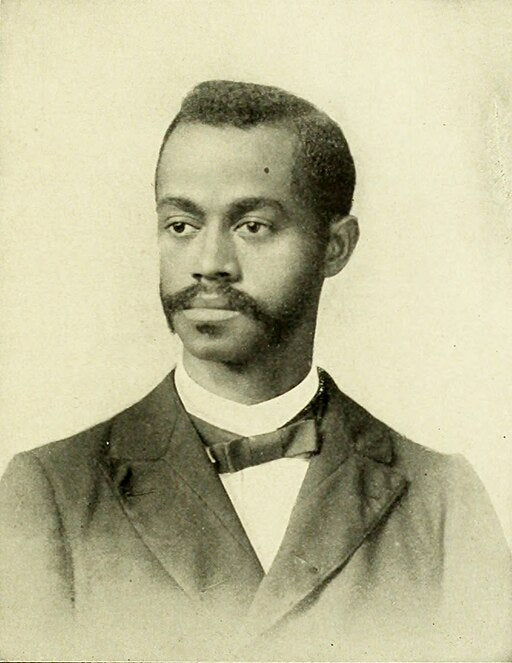
Charles Henry Turner
The scientist who proved insects are smarter than people thought.
Charles Henry Turner was a pioneering zoologist who conducted groundbreaking studies on insect learning, memory, and navigation. He demonstrated that bees can recognize colors and patterns and that ants can solve maze problems. His research reshaped early understandings of insect intelligence.
Quick Facts:
- First to prove bees can recognize patterns and colors.
- Showed ants can learn and navigate mazes.
- One of the earliest Black zoologists to publish widely in scientific journals
“Insects are capable of behavior that we commonly attribute only to higher animals.”
--Charles Henry Turner
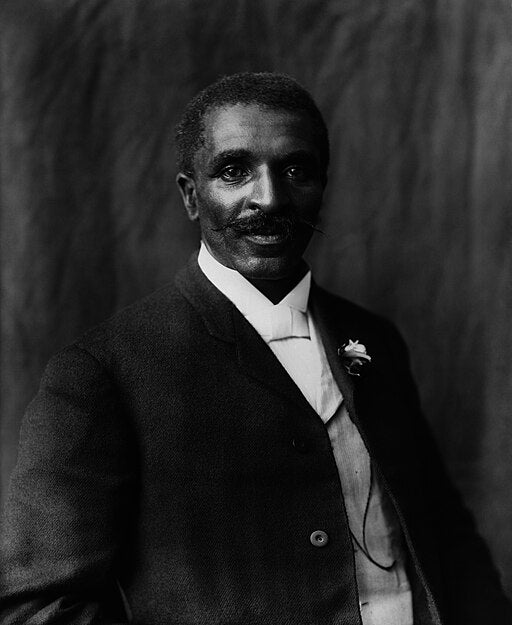
George Washington Carver
The plant wizard who healed the South’s soil.
George Washington Carver was a botanist and agricultural scientist who revolutionized farming in the American South. He promoted crop rotation with peanuts, sweet potatoes, and other plants to restore nutrient‑depleted soils. Carver saw plants as teachers and believed ecological care could uplift entire communities.
Quick Facts:
- Championed crop rotation to rebuild soil health.
- Developed hundreds of plant-based innovations.
- Taught that nature is a teacher and healer.
“Reading about nature is fine, but if a person walks in the woods and listens carefully, he can learn more than what is in books.”
-- George Washington Carver
Shop the Black Naturalist collection
-
 The Black Naturalists t-shirtThe Black Naturalists t-shirt
- Regular price
-
$27.00 - Regular price
-
- Sale price
-
$27.00
Quick view
-
 Black Naturalits Unisex HoodieBlack Naturalits Unisex Hoodie
- Regular price
-
$45.00 - Regular price
-
- Sale price
-
$45.00
Quick view
-
 Black Naturalists Eco Tote BagBlack Naturalists Eco Tote Bag
- Regular price
-
$22.50 - Regular price
-
- Sale price
-
$22.50
Quick view
-
 Black Naturalists Black Glossy MugBlack Naturalists Black Glossy Mug
- Regular price
-
$14.50 $16.00 - Regular price
-
- Sale price
-
$14.50 $16.00
Quick view


